Honest about the risks, and specific about what prevents each one.
Dengue
Named by both sources. The Government of Canada notes the mosquitoes that carry it typically bite in the daytime, particularly around sunrise and sunset, that risk varies with season, year, region and elevation, and that dengue can become severe and be fatal.
Prevention No vaccine or medication to prevent it is available in Canada, so repellent through the day is the whole strategy. Screened or air-conditioned rooms; long, loose, tightly woven clothing.
Zika
A risk in Guatemala according to both sources. Spread by mosquito bite, also sexually transmitted, and it can cause serious birth defects.
Prevention Bite avoidance, plus condoms or avoiding sexual contact, particularly in pregnancy. If you are pregnant or planning to be, the Government of Canada asks you to discuss the trip with a healthcare provider first and says you may choose to postpone. Tell us before you book, not after.
Altitude, cold and exhaustion on the volcanoes
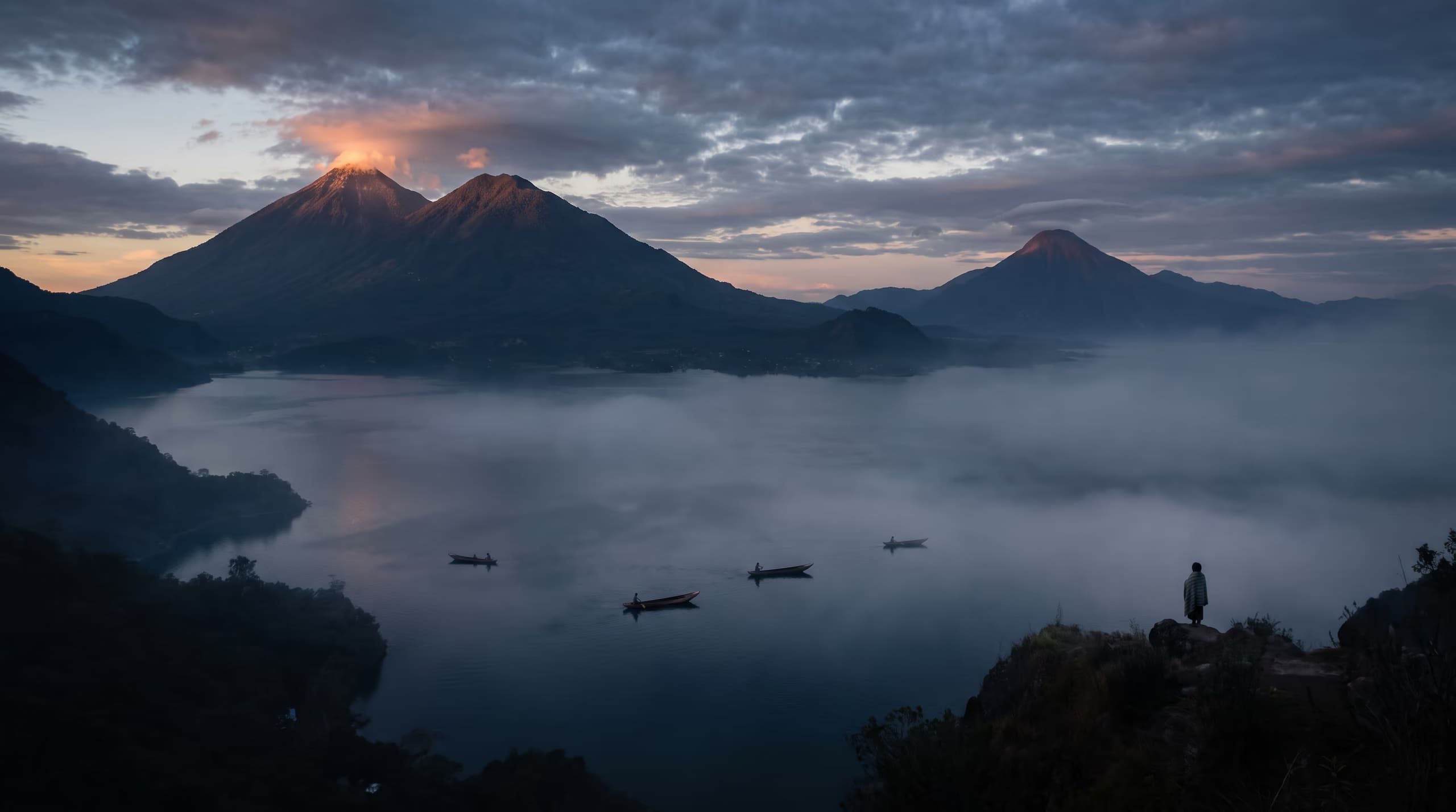
The Government of Canada says some Guatemalan volcanoes are at high altitude with sub-zero temperatures at night, that warm and waterproof clothing is essential, that local tour companies might underestimate the risk of hypothermia, and that there is no mountain rescue service in the country. It asks travellers to know the symptoms of altitude sickness, dehydration and heatstroke, all of which it says can be fatal.
Prevention Go up slowly, drink more than feels necessary, carry real layers rather than one fleece, and turn around if someone is unwell — there is no helicopter coming. Tell us if you have a heart or lung condition and an overnight hike is booked.
Chagas disease and leishmaniasis
Both are on CDC’s Guatemala list, and both on Canada’s. Chagas comes from triatomine bugs, which the Government of Canada notes are active at night; cutaneous and mucocutaneous leishmaniasis come from sand fly bites, most active between sunset and sunrise in rural and forested areas. Canada says the risk of each is generally low for most travellers.
Prevention Bite avoidance after dark, and a net if you are sleeping in poorly constructed or unscreened rural housing. There is no vaccine for either.
Leptospirosis and melioidosis
Both appear on CDC’s Guatemala list. Leptospirosis comes from water, mud or food contaminated with animal urine, including swimming or wading in fresh water and contact with floodwater; melioidosis from contact with contaminated fresh water, mud or soil, especially after heavy rain. Guatemala’s rainy season runs mid-May to mid-November, and the Government of Canada says flash floods and landslides are common in it.
Prevention Avoid floodwater and muddy water after heavy rain, cover cuts and grazes before entering fresh water, and do not swallow river or pool water. Semuc Champey and the rivers are fresh water.
Hantavirus and tuberculosis
Both on CDC’s risk list for Guatemala — hantavirus from the urine, droppings or saliva of infected rodents, tuberculosis through the air from someone infectious. Neither changes what a typical trip needs, but the whole list belongs on the page rather than the convenient half of it.
Prevention Avoid rodents and places their waste builds up, including caves; avoid close contact with people who are unwell.
Food and water
The reason the first two vaccines on this page are the first two. The Government of Canada’s rule is boil it, cook it, peel it, or leave it, and it asks you not to swallow water when swimming, showering or bathing, and to keep fresh water out of your eyes, mouth and nose after heavy rain. Travellers’ diarrhoea is the most common illness travellers get anywhere.
Prevention Bottled or treated water, ice only from safe water, hot food served hot, fruit you peel yourself. Rehydration sachets in the bag — fluids are the treatment.
Roads, roadblocks and buses
The Government of Canada says road conditions vary, that secondary and rural roads can be hazardous because of poor lighting, missing signs, unmarked speed bumps, animals and narrow winding mountain roads, and that driving in the rainy season brings flooding, mudslides and rockslides. It says drink-driving is common. Roadblocks — both roadwork and illegal — are frequent in several departments and can cause substantial delays. CDC names motor vehicle crashes among the main causes of death for travellers abroad.
Prevention No night driving. Avoid the chicken buses. Use hotel-associated taxis, yellow cabs or a ride-sharing app rather than white taxis, and skip the tuk-tuks. Build slack into travel days so a roadblock does not become a night drive.
Earthquakes and eruptions
The Government of Canada notes Guatemala sits in an active seismic zone where earthquakes and tsunamis can occur, that a tsunami can arrive within minutes of a nearby quake, and that there are four active volcanoes where eruptions may happen at any time and tremors sometimes lead to evacuations.
Prevention On the coast, find out the tsunami evacuation route on day one. Inland, follow local authorities and monitor local media; falling ash can also close the airport, which is a travel-insurance question as much as a health one.