Honest about the risks, and specific about what prevents each one.
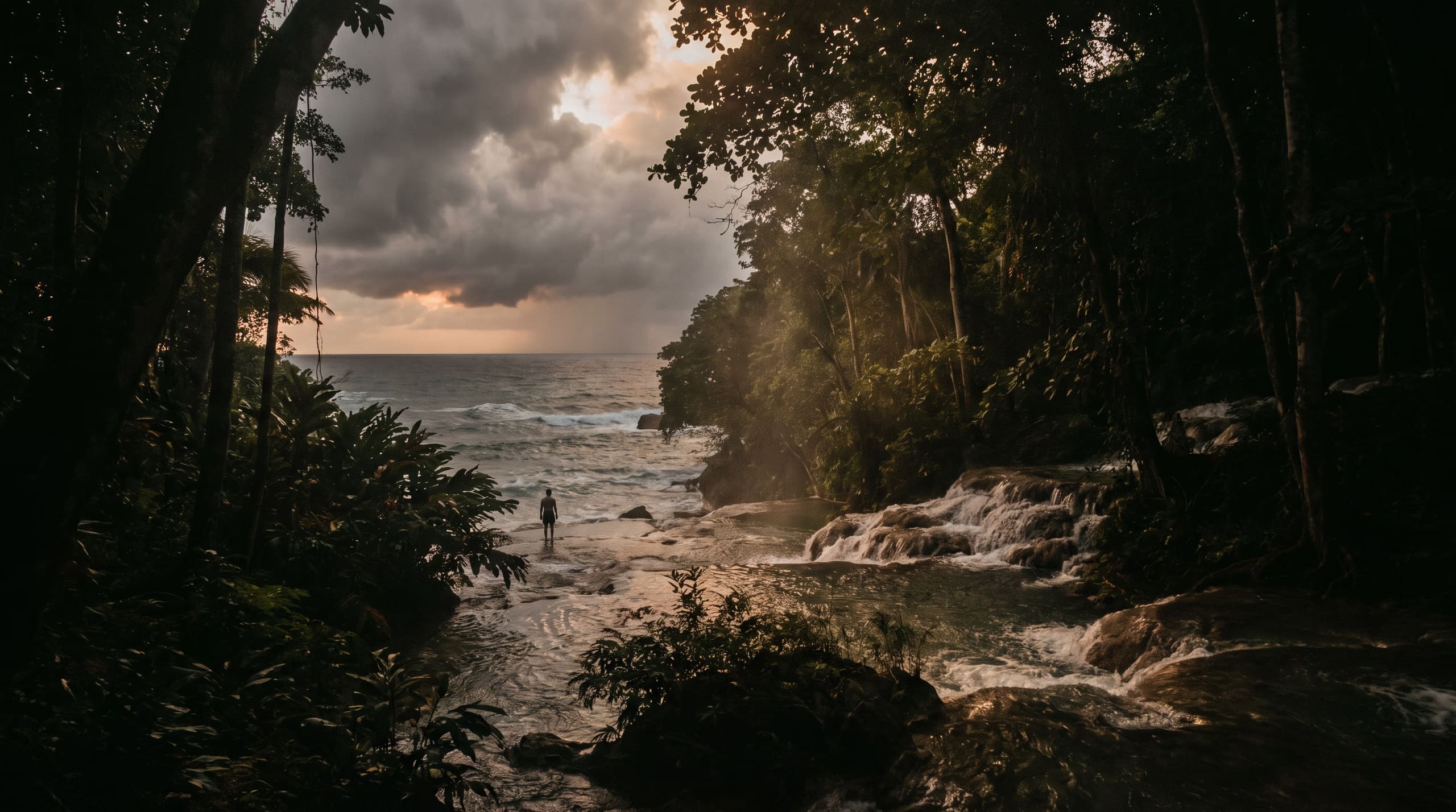
Riptides and the beach itself
The Government of Canada says coastal waters can be dangerous, riptides are common, and not all beaches have lifeguards or warning flags. Its advice is not to swim alone, after hours, or outside marked areas. CDC says to swim only in designated areas, obey lifeguards and flags, never dive into shallow water, and wear a life jacket when boating — and not to drink alcohol if you are operating a boat.
Prevention Ask at the desk which stretch of your beach is safe and whether anyone is watching it. Nobody swims alone or after dark. Keep the drinking and the swimming in separate parts of the day — the Government of Canada specifically flags excessive drinking at all-inclusive resorts.
Paying for care before you get it
The Government of Canada says that even with travel insurance you may need to make a deposit or pay upfront and claim back later, and that without insurance a clinic may want payment or a credit card guarantee before treating you. Medical evacuation can be very expensive; ambulance services are limited across the country.
Prevention Insurance that names medical evacuation and hospital stays. A credit card with room on it. Policy number and emergency line saved offline, not in an email you need signal to open.
Dengue
Named by both sources. The Government of Canada notes the mosquitoes typically bite during the daytime, particularly around sunrise and sunset, that risk varies by season, year, region and elevation, and that it can progress to severe dengue, which can be fatal. There is no vaccine or medication available in Canada to prevent it.
Prevention Repellent through the day, reapplied — CDC’s line is 20% or more DEET, with picaridin, oil of lemon eucalyptus, IR3535 and 2-undecanone as alternatives. Air-conditioned or screened rooms. Long sleeves at sunrise and sunset.
Zika
A risk in Jamaica according to the Government of Canada, and listed by CDC. Spread mainly by mosquito bite, also sexually, and it can cause serious birth defects. An infected pregnant woman can pass it to her unborn baby.
Prevention If you are pregnant or planning a pregnancy, the Government of Canada asks you to discuss the trip with a health care provider before you go and says you may choose to avoid or postpone it. Otherwise: daytime mosquito precautions, and correct condom use or avoiding sexual contact during the trip, particularly in pregnancy.
Chikungunya
The Government of Canada names it a risk in Jamaica and warns the joint pain can be severe and last for months or years. The CDC page for Jamaica does not list it. A vaccine is approved in Canada.
Prevention The same daytime mosquito precautions cover it. Whether the vaccine is right for you depends on age and itinerary — bring it up at the appointment rather than deciding from a page.
Traveller’s diarrhoea and salmonellosis
The Government of Canada calls travellers’ diarrhoea the most common illness affecting travellers, and separately notes that salmonellosis is a common illness among travellers to Jamaica — spread by contaminated food or drink including raw or undercooked poultry and eggs, and fruit or vegetables. Pregnant women, children under five, adults over sixty and anyone immunocompromised are at greater risk of becoming seriously ill.
Prevention Frequent handwashing. Food properly cooked and still hot when it is served — a buffet tray under a warmer for an hour is the classic exception. Oral rehydration salts in the bag; they weigh nothing and they are the actual treatment. We can send you with a standby antibiotic where it is appropriate.
The roads
The Government of Canada describes inland roads as narrow, winding, poorly maintained and badly lit and signed, with poor lane markings and hurricane damage, and says speeding and driving under the influence of alcohol or cannabis are common. Traffic drives on the left. CDC calls motor vehicle crashes the number one killer of healthy travellers abroad.
Prevention Resort transfers and authorised taxis over a rental car for a short trip. Red and white “PP” plates and a lime-green JUTA sticker for taxis; never an unmarked one. No night driving inland. Between Norman Manley airport and Kingston, South Camp Road rather than Mountain View Avenue.
Sun and heat
CDC warns that heat-related illness such as heat stroke can be deadly, and notes that sun exposure is increased when sunlight reflects off sand and water — which describes the entire holiday.
Prevention Sunscreen of SPF 15 or higher as a floor, protective clothing, and shade between 10am and 4pm. Eat and drink regularly, salty snacks if you are out in the heat for hours, and go easy on physical activity in the hottest part of the day. Calgarians arriving from a February winter are the least acclimatised people on the beach.
Crime, honestly stated
The Government of Canada advises a high degree of caution because of the high level of violent crime, particularly outside tourist areas, and names certain areas of Kingston, Montego Bay, St. Catherine and May Pen. It notes police presence in tourist areas, lower violent crime rates there, and that assault and robbery still occur — plus pickpocketing and bag snatching in busy tourist spots, drink spiking, and robbery risk in unmarked taxis. If threatened by robbers, its advice is not to resist.
Prevention Valuables in the safe, no showy jewellery, ATMs inside a bank or business. Never leave a drink unattended or accept one from a new acquaintance. Authorised taxis only. Avoid isolated beaches, and do not walk alone at night.