Honest about the risks, and specific about what prevents each one.
High-altitude illness
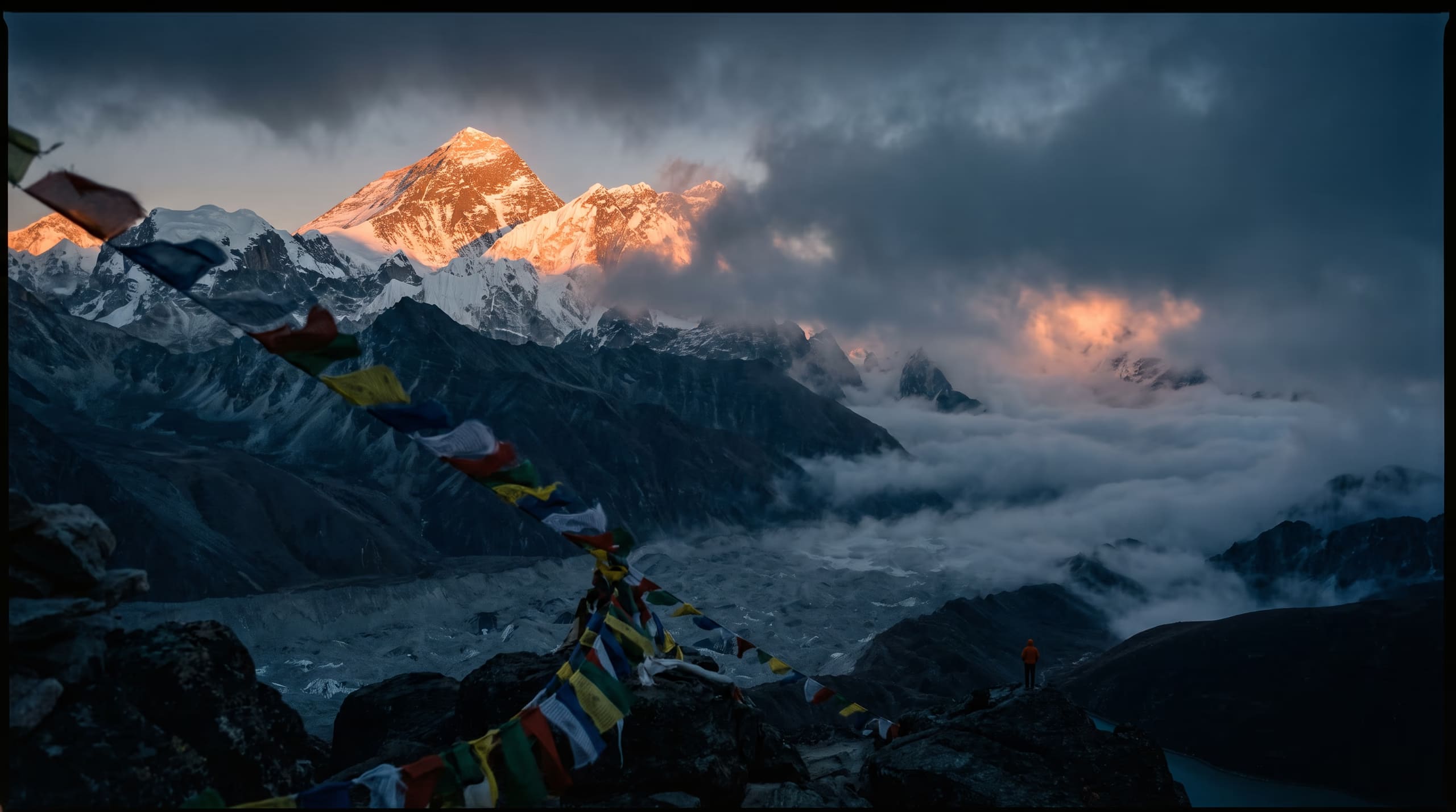
The Government of Canada notes many popular trekking trails ascend higher than 5,500 metres and tells travellers to know the symptoms of high-altitude illness, dehydration and heatstroke, which can be fatal. Walking up over days is genuinely better than flying into height — but Nepal’s trails keep climbing long past the point where anyone stops being at risk.
Prevention Build rest days into the itinerary rather than hoping for them, and know before you leave which village you would drop to from each night’s stop. Descend when symptoms worsen; that is the treatment that always works. Altitude medication is prescribable by a pharmacist in Alberta — bring your day-by-day plan and we will work through it.
Being rescued
The Government of Canada says evacuations and rescues from remote areas are available but can be hindered by the lack of immediate payment to helicopter rescue providers, by no response from the traveller’s insurance company, and by limited access to regular phone service in many trekking areas. It also documents helicopter rescue and insurance scams — unnecessary evacuations, pressure to be evacuated without a medical assessment, falsified paperwork and inflated billing.
Prevention Insurance that names high-altitude trekking and medical evacuation, bought before you pay for the trek. Registered, reputable operators, and no unusually cheap packages. Policy number and emergency line saved offline where a companion can find them.
Getting treated at all
The Government of Canada states that outside the Kathmandu Valley and Pokhara, medical services and facilities do not meet standards you might expect in Canada, that most hospitals require up-front payment or confirmation of insurance before treating you, and that medical evacuation to Bangkok, New Delhi or Singapore is often necessary for serious conditions.
Prevention Carry enough of your own medication for the whole trip plus a margin, in labelled packaging, in hand luggage. A written list of what you take and why. Know that a card is not always accepted as payment when it matters.
Dogs
CDC states that dogs infected with rabies are commonly found in Nepal. The Government of Canada adds that rabies is spread mainly through bites but also through scratches, and that it is carried by some wildlife including bats.
Prevention Do not touch dogs, monkeys or any animal, however friendly. If you are bitten or scratched, wash the wound with soap and clean water for about 15 minutes and get to medical care — do not wait it out. Pre-exposure vaccination is worth discussing if you will be far from a hospital.
Traveller’s diarrhoea
The Government of Canada calls it the most common illness affecting travellers, with fever, nausea, vomiting and stomach pain alongside the obvious. On a trek it is not only miserable — dehydration at altitude makes everything else harder.
Prevention Boil it, cook it, peel it, or leave it. Treated or bottled water including for teeth, no ice you did not see made. Rehydration salts weigh nothing and we can send you with a standby antibiotic where appropriate.
Mosquitoes and sand flies in the lowlands
The Government of Canada names dengue, which can lead to severe dengue and can be fatal, and chikungunya. CDC also names leishmaniasis, spread by sand fly bite, and Japanese encephalitis by mosquito. These are lowland and warm-season concerns rather than high-trail ones.
Prevention Repellent by day and at dusk, long sleeves, and screens or nets in Kathmandu, Chitwan and the Terai. There is no vaccine for dengue or leishmaniasis available here, so bite prevention is the whole strategy.
Roads, landslides and the monsoon
The Government of Canada notes the monsoon runs June to September, that seasonal flooding hampers overland travel and reduces essential services, and that roads may become impassable due to mudslides and landslides. It also notes Nepal sits in an active seismic zone with a continued risk of earthquakes, aftershocks and landslides, and that avalanches in the mountains may be fatal. CDC names motor vehicle crashes the number one killer of healthy travellers abroad.
Prevention Build slack into the schedule — a missed connection is better than a night drive on a wet mountain road. Reputable operators over the cheapest option, and a plan for what happens if the road closes.
Other things both sources name
CDC lists leptospirosis from contaminated water and soil including floodwater, tuberculosis spread through the air from an infectious person, and hantavirus from rodents and their droppings. The Government of Canada notes human cases of avian influenza have been reported in Nepal. None of these changes the plan for most travellers, but they are on the sources and so they are on this page.
Prevention Avoid wading in floodwater, keep away from rodents, live poultry and bird markets, and do not handle sick or dead animals.