

African travel health
Tanzania and Zanzibar Vaccines & Malaria Prevention: 2026 Guide for Calgary Travellers
Introduction: Planning Your Tanzania and Zanzibar Adventure from Calgary
Tanzania stands as one of Africa's premier travel destinations, drawing over 1.5 million international visitors annually to experience Mount Kilimanjaro, the Serengeti's wildlife migrations, and the pristine beaches of Zanzibar. For Calgary residents planning this adventure in 2026, understanding the health requirements—particularly CDC travelers' health Tanzania including Zanzibar malaria prophylaxis below 1800 m—is essential for a safe and enjoyable journey.

Unlike trips to Western Europe or North America, travel to Tanzania requires careful health preparation. The country's tropical climate and elevation variations create specific disease risks that demand both vaccination and preventive medication. Most of Tanzania's popular tourist destinations, including the entire Zanzibar archipelago, Serengeti National Park, and coastal regions, sit below 1,800 meters elevation where malaria transmission occurs year-round.
At Imagine Health Pharmacy & Travel Clinic in Sundance, SW Calgary, we've guided thousands of Calgary travelers through their pre-departure health preparations over the past decade. Our travel health specialists recommend booking your consultation 6-8 weeks before departure to ensure adequate time for multi-dose vaccines and proper malaria prophylaxis planning.
🎯 Quick Takeaways
- Malaria prophylaxis is essential for all areas below 1,800m including Zanzibar, Serengeti, and coastal regions—transmission occurs year-round
- Yellow fever certificate required if arriving from endemic countries; routine vaccines plus Hepatitis A and Typhoid recommended for 95% of travelers
- Book your travel health consultation 6-8 weeks before departure as vaccine schedules require 4-6 weeks for full protection
- Three antimalarial options available: Malarone (most convenient, $5-8/tablet), Doxycycline (most affordable, sun sensitivity), Mefloquine (weekly dosing)
- Don't purchase medications in Tanzania—counterfeit rates in East Africa reach 20-30% and you need to start prophylaxis before arrival
What Vaccines Do You Need to Go to Tanzania and Zanzibar?
Vaccine requirements for Tanzania fall into three categories: required, recommended, and situational. Understanding which vaccines you need depends on your travel itinerary, planned activities, and current immunization status.

Required Vaccines
Yellow Fever: A yellow fever vaccination certificate is required if you're arriving from a country with risk of yellow fever transmission. This includes travelers connecting through endemic regions in Africa or South America. Even if not required based on your routing, many travelers choose to receive this vaccine for broader protection, as Tanzania has areas with yellow fever risk. The vaccine provides lifelong immunity after a single dose.
Routine Vaccines (Ensure Up-to-Date)
Before considering travel-specific immunizations, ensure your routine vaccines are current:
- MMR (Measles, Mumps, Rubella): Particularly critical as measles outbreaks continue in East Africa in 2026
- Tdap (Tetanus, Diphtheria, Pertussis): Booster needed every 10 years
- Influenza: Annual flu shot recommended for all travelers
- COVID-19: Updated 2026 formulations available—consult current Government of Canada travel advisories
Recommended Vaccines for Most Travelers
Hepatitis A: Recommended for approximately 95% of travelers to Tanzania. This virus spreads through contaminated food and water, even in upscale resorts. The vaccine provides long-lasting protection with a two-dose series (initial dose, then booster 6-12 months later). You're protected after the first dose for your trip.
Typhoid: Strongly recommended for travelers visiting smaller cities, rural areas, or staying with friends and relatives. Available as either an injectable vaccine (single dose, lasts 2 years) or oral vaccine (4 capsules taken over one week, lasts 5 years). Protection reaches optimal levels 1-2 weeks after completion.
Situational Vaccines
Hepatitis B: Recommended for travelers who may have sexual contact with locals, receive medical treatment, get tattoos or piercings, or participate in activities with blood exposure risk. The vaccine series requires three doses over 6 months, though an accelerated schedule exists for last-minute travelers.
Rabies: Pre-exposure rabies vaccination is recommended for adventure travelers, those working with animals, spelunkers exploring bat caves, or visitors to rural areas where medical care is more than 24 hours away. Tanzania has significant rabies risk from dogs, bats, and monkeys. The pre-exposure series requires three doses over 21-28 days.
Meningococcal Meningitis: Recommended during outbreak periods or for travelers to the "meningitis belt" during dry season (December-June). Tanzania sits on the southern edge of this region.
⏰ Critical Timing Information
Most vaccine schedules require 4-6 weeks for full protection. The rabies pre-exposure series alone takes nearly a month to complete. This is why we strongly recommend booking your travel health consultation at Imagine Health Pharmacy 6-8 weeks before departure—it provides adequate time for multi-dose vaccines and allows your immune system to develop full protection.
Many Calgary travelers from Sundance, Midnapore, and Chaparral book their initial consultation immediately after purchasing flights, ensuring they're never rushed with last-minute preparations.
Do I Need Malaria Prophylaxis for Zanzibar?
Yes, absolutely. This is one of the most common questions we receive at our Sundance clinic, and the answer is unequivocal: malaria prophylaxis is strongly recommended for all travelers to Zanzibar.
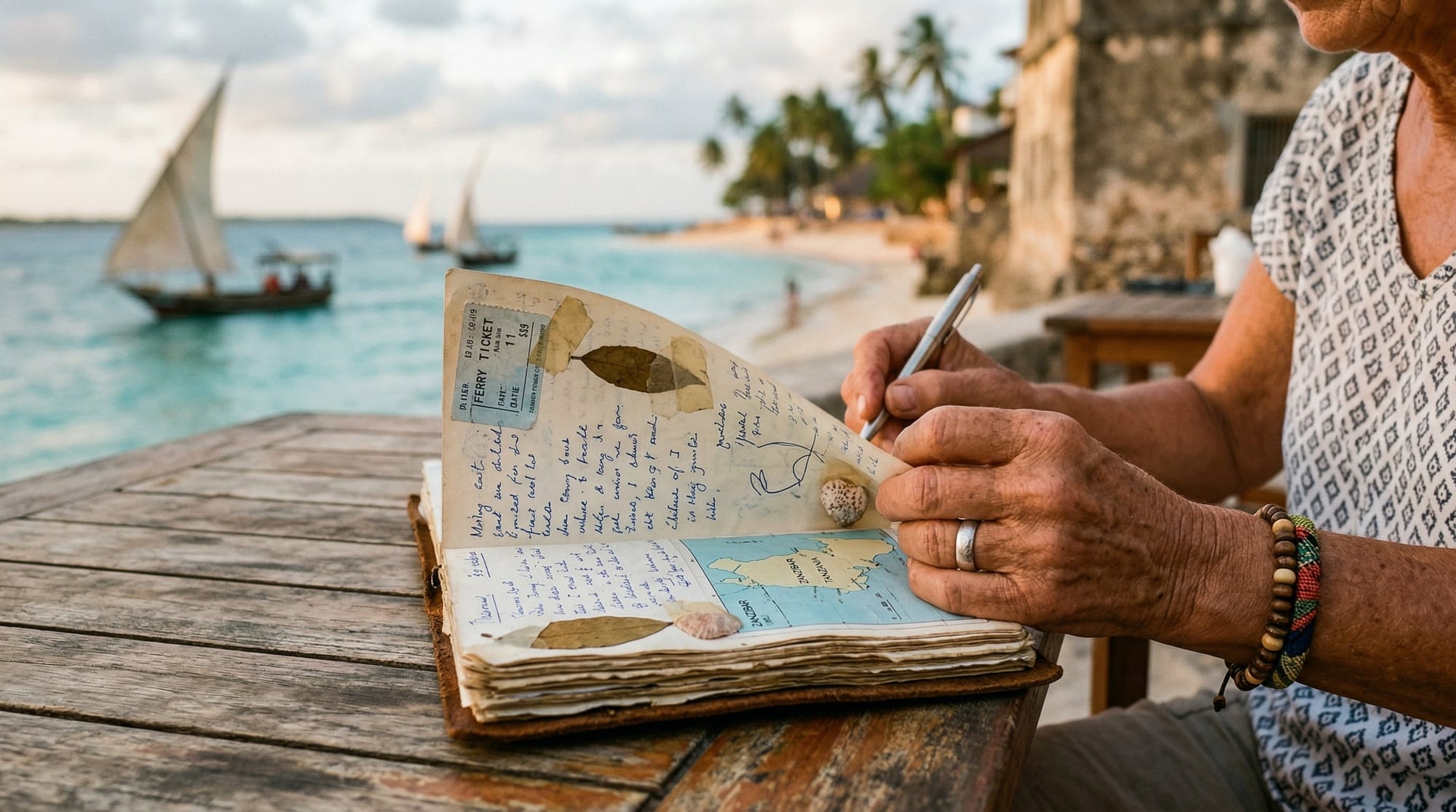
Zanzibar's entire archipelago—including popular tourist areas like Stone Town, Nungwi, Kendwa, Paje, and Jambiani—sits well below 1,800 meters elevation where malaria transmission occurs year-round. Both the CDC and World Health Organization recommend antimalarial medication for all travelers to Zanzibar, regardless of accommodation type or length of stay.
Percentage of malaria cases in Tanzania caused by Plasmodium falciparum—the most dangerous malaria species with potential for severe complications
Why Malaria Risk Exists Even in Resort Areas
Some travelers mistakenly believe that staying in high-end beachfront resorts eliminates malaria risk. While these properties often use mosquito control measures like netting, screens, and insecticide spraying, they cannot eliminate transmission entirely. Mosquitoes carrying malaria are most active between dusk and dawn, and a single bite from an infected Anopheles mosquito can transmit the disease.
Zanzibar has made significant progress in malaria reduction through government programs, but transmission continues throughout the islands. The risk may be lower than mainland Tanzania, but it remains significant enough that public health authorities universally recommend prophylaxis.
Year-Round Transmission with Seasonal Peaks
Malaria transmission in Zanzibar occurs throughout the year, with peak seasons during and immediately after the rainy periods (March-May and November-December). However, even during the "dry" season, the tropical island climate provides ideal breeding conditions for mosquitoes. Travelers visiting any time of year should take antimalarial medication.
"When it comes to malaria prevention in Zanzibar and mainland Tanzania below 1,800 meters, the question isn't whether you need prophylaxis—it's which medication best fits your health profile and travel itinerary."
Do You Need Malarone for Tanzania? Understanding Your Malaria Medication Options
Malarone is one of three primary antimalarial medications we dispense at Imagine Health Pharmacy for Tanzania travel, but it's not the only option. The best choice depends on your medical history, trip duration, budget, and personal preferences regarding dosing schedules and potential side effects.

Option 1: Malarone (Atovaquone-Proguanil)
Dosing Schedule:
- Start 1-2 days before entering malaria zone
- Take one tablet daily throughout travel
- Continue for 7 days after leaving malaria zone
Advantages:
- ✅ Fewer side effects compared to other options—generally well-tolerated
- ✅ Short post-travel course (only 7 days after return)
- ✅ Can be used by pregnant women in second and third trimesters
- ✅ Effective against drug-resistant malaria strains present in Tanzania
Considerations:
- 💰 Higher cost: approximately $5-8 per tablet at Calgary pharmacies in 2026
- 💰 A typical 14-day Tanzania trip requires about 23 tablets ($115-184 total)
- ⚠️ Not suitable for those with severe renal impairment
Option 2: Doxycycline
Dosing Schedule:
- Start 1-2 days before entering malaria zone
- Take one tablet daily throughout travel
- Continue for 4 weeks (28 days) after leaving malaria zone
Advantages:
- ✅ Most affordable option—typically $1-2 per tablet
- ✅ Additional benefit: helps prevent traveler's diarrhea and skin infections
- ✅ Well-studied with decades of safety data
- ✅ Effective against drug-resistant malaria
Considerations:
- ⚠️ Increased sun sensitivity—requires diligent sunscreen use (critical at Tanzania's equatorial latitude)
- ⚠️ Long post-travel course (4 weeks after return)
- ⚠️ Can cause gastrointestinal upset in some travelers
- ⚠️ Not recommended for pregnant women or children under 8
- ⚠️ May reduce effectiveness of oral contraceptives
Option 3: Mefloquine (Lariam)
Dosing Schedule:
- Start 2-3 weeks before entering malaria zone
- Take one tablet weekly throughout travel
- Continue for 4 weeks (4 tablets) after leaving malaria zone
Advantages:
- ✅ Weekly dosing—easier to remember than daily tablets
- ✅ Moderate cost—middle range between Malarone and Doxycycline
- ✅ Can be used during pregnancy
Considerations:
- ⚠️ Higher incidence of neuropsychiatric side effects (vivid dreams, anxiety, mood changes)
- ⚠️ Must start 2-3 weeks before travel to assess tolerance
- ⚠️ Not suitable for those with history of depression, anxiety disorders, seizures, or cardiac conduction abnormalities
- ⚠️ Less commonly prescribed in 2026 due to side effect profile
💊 Success Rates & Drug Resistance
When taken properly according to schedule, all three antimalarial medications show success rates above 95% in preventing malaria. Tanzania does have drug-resistant malaria strains, particularly resistance to older medications like chloroquine. This is why we only recommend Malarone, Doxycycline, or Mefloquine—all remain effective against resistant strains.
"Properly" means taking the medication exactly as prescribed, including the full post-travel course. Many travelers make the mistake of stopping medication once they return home feeling healthy, but malaria has an incubation period and parasites may still be in your bloodstream requiring elimination.
Which Medication Should You Choose?
During your travel health consultation at Imagine Health Pharmacy in Sundance, our pharmacists will help you select the optimal antimalarial based on:
- Your medical history: Pre-existing conditions, current medications, pregnancy status
- Trip duration: Shorter trips (under 2 weeks) often favor Malarone due to shorter post-travel course
- Budget considerations: Longer trips may make Doxycycline more economical
- Sun exposure plans: Safari and beach travelers with high sun exposure may prefer Malarone
- Medication compliance patterns: Those who struggle with daily pills might prefer weekly Mefloquine
Can I Buy Anti-Malaria Tablets in Zanzibar? Why Pre-Travel Preparation Matters
We frequently hear from Calgary travelers asking whether they can simply purchase antimalarial medication after arriving in Tanzania or Zanzibar. While pharmacies do exist in Stone Town, Dar es Salaam, and larger Tanzanian cities, we strongly advise against relying on overseas medication purchases for several critical reasons.
Counterfeit Medication Risk
According to WHO estimates, counterfeit medication rates in East Africa range from 20-30%, with antimalarials being among the most commonly counterfeited drugs. These fake medications may contain incorrect active ingredients, insufficient doses, or no active ingredient at all—providing zero protection while giving you false confidence that you're protected.
Counterfeit antimalarials represent a dual danger: you remain vulnerable to malaria infection while potentially experiencing side effects from whatever substances the fake tablets actually contain. Quality control and pharmaceutical regulation in Tanzania don't meet the same standards as Health Canada-approved medications dispensed by Canadian pharmacies.
Timing Requirements
The dosing schedules for antimalarial medications require starting before you enter the malaria zone:
- Malarone: Start 1-2 days before arrival
- Doxycycline: Start 1-2 days before arrival
- Mefloquine: Start 2-3 weeks before arrival
By the time you land in Dar es Salaam or Zanzibar, you're already in a malaria transmission area. You need to have the medication in your system before exposure occurs. Waiting to purchase medication upon arrival leaves you unprotected during your initial days—often when you're most vulnerable due to jet lag and before you've learned proper mosquito avoidance behaviors.
Estimated rate of counterfeit antimalarial medications in East African markets—a serious risk for travelers relying on local pharmacies
Professional Medical Consultation
When you obtain antimalarial medication from Imagine Health Travel Clinic in SW Calgary, you receive more than just pills—you receive a comprehensive consultation covering:
- ✅ Medication selection based on your personal health history
- ✅ Drug interaction screening with your current medications
- ✅ Detailed instructions on timing and dosing
- ✅ Side effect counseling and management strategies
- ✅ Additional malaria prevention measures (repellent, bed nets, protective clothing)
- ✅ Recognition of malaria symptoms and when to seek emergency care
Purchasing medication from a Zanzibar pharmacy provides none of these safeguards. You won't receive counseling on potential interactions with your blood pressure medication, won't be screened for contraindications, and won't have follow-up support if questions arise.
Guaranteed Medication Quality
Antimalarial medications dispensed at Imagine Health Pharmacy are:
- Health Canada-approved with verified potency and purity
- Stored under proper temperature and humidity conditions
- Sourced from licensed Canadian pharmaceutical distributors
- Covered by product liability and quality guarantees
- Dispensed with full package inserts and patient information
These assurances simply don't exist when purchasing medications abroad, particularly in developing countries with less robust pharmaceutical oversight.
🏥 Insurance Coverage Considerations
Many private insurance plans cover travel vaccines and antimalarial medications when prescribed by a Canadian healthcare provider with documentation of international travel. Medications purchased overseas typically cannot be submitted for insurance reimbursement.
At Imagine Health Pharmacy, we accept most private insurance plans and provide detailed receipts for individual travelers to submit claims. We can verify your coverage before dispensing medication, potentially saving you significant out-of-pocket costs compared to purchasing abroad.
Tanzania Malaria Map: Understanding Risk Areas Below 1,800 Meters
Understanding Tanzania's malaria geography helps explain why the CDC travelers' health Tanzania including Zanzibar malaria prophylaxis below 1800 m recommendation is so important—virtually all major tourist destinations fall within malaria transmission zones.
The 1,800-Meter Elevation Threshold
Malaria-carrying Anopheles mosquitoes thrive in warm, humid environments but cannot survive at higher, cooler elevations. The 1,800-meter (approximately 5,900 feet) threshold represents the altitude above which temperatures become inhospitable for mosquito breeding and malaria transmission becomes negligible.
Below this elevation, year-round transmission occurs throughout Tanzania, with risk varying based on specific local conditions, season, and mosquito control efforts.
High-Risk Areas Below 1,800m (Malaria Prophylaxis Essential)
Zanzibar Archipelago: The entire Zanzibar archipelago, including Unguja (Zanzibar Island), Pemba Island, and smaller islands, sits at sea level. All resort areas, Stone Town, and beach destinations have malaria transmission. Elevation: 0-100m.
Coastal Regions: All of Tanzania's Indian Ocean coastline, including Dar es Salaam, Bagamoyo, Pangani, Tanga, and the Mafia Island archipelago. These low-lying areas have year-round transmission. Elevation: 0-200m.
Serengeti National Park: The world-famous wildlife park ranges from 920 to 1,850 meters elevation. While the highest points approach the malaria-free threshold, most of the park sits well within the transmission zone. Antimalarial medication is essential for safari travelers. Elevation: 920-1,850m.
Ngorongoro Conservation Area: The crater floor sits at approximately 1,800m—right at the threshold—while surrounding areas vary. Given the borderline elevation and presence of mosquitoes, prophylaxis remains recommended. Elevation: 1,600-2,400m (variable).
Lake Victoria Region: Mwanza, Bukoba, and communities around Africa's largest lake all have significant malaria risk. Elevation: 1,100-1,200m.
Arusha City: While Arusha sits at 1,400 meters elevation—lower risk than coastal areas—malaria transmission still occurs. The city serves as the gateway to northern safari circuits, and travelers spend time here before and after safaris. Prophylaxis recommended. Elevation: 1,400m.
Malaria-Free Areas Above 1,800m (Prophylaxis Not Required)
Mount Kilimanjaro: Above 1,800 meters, the mountain becomes malaria-free. However, the trek begins in lower-elevation villages like Moshi (900m) and Marangu (1,500m) where transmission occurs. Climbers should take antimalarials before, during lower elevations, and after the climb. Summit elevation: 5,895m.
Mount Meru: Similar to Kilimanjaro, higher elevations are malaria-free but lower slopes and surrounding Arusha National Park have risk. Summit elevation: 4,566m.
Seasonal Variation
While malaria transmission occurs year-round below 1,800m, intensity varies with rainfall:
- Peak transmission: During and immediately after the long rains (March-May) and short rains (November-December)
- Lower transmission: Dry seasons (June-October, January-February), though risk remains significant
- Regional differences: Coastal areas have less seasonal variation due to consistent humidity; inland areas show more pronounced seasonal patterns
Regardless of season, public health authorities recommend antimalarial prophylaxis for all travelers to areas below 1,800m throughout the year.
🗺️ Typical Tourist Itinerary Malaria Risk
Example: Classic Tanzania Safari + Zanzibar Beach (14 days)
- Days 1-2: Arrive Dar es Salaam (0m elevation) — MALARIA RISK
- Days 3-4: Tarangire National Park (1,100m) — MALARIA RISK
- Days 5-7: Serengeti National Park (920-1,850m) — MALARIA RISK
- Days 8-9: Ngorongoro Crater (1,800m) — MALARIA RISK
- Days 10-14: Zanzibar beaches (0-10m) — MALARIA RISK
Conclusion: Entire itinerary below or at the 1,800m threshold. Antimalarial prophylaxis required for the full trip, plus 7 days (Malarone) or 4 weeks (Doxycycline/Mefloquine) after return.
Complete Pre-Travel Checklist: Beyond Vaccines and Malaria Prevention
Vaccines and antimalarial medication form the foundation of your Tanzania health preparation, but comprehensive trip planning includes additional measures to protect your health throughout your journey.
Travel Health Consultation (6-8 Weeks Before Departure)
Schedule your appointment at Imagine Health Pharmacy & Travel Clinic in Sundance, SW Calgary, 6-8 weeks before departure. This timing allows:
- Completion of multi-dose vaccine series
- Time to start Mefloquine early enough to assess tolerance
- Opportunity to address any unexpected health issues
- Adequate immune system response time
Our typical travel health consultations last 30-45 minutes and cover your complete itinerary, activities, accommodation types, and personal health history. Most travel vaccines can be administered the same day if given adequate advance notice.
Traveler's Diarrhea Prevention and Treatment
Traveler's diarrhea affects 30-40% of travelers to East Africa, making it the most common travel-related illness—more common than malaria, especially when taking prophylaxis. Prevention strategies include:
Prevention:
- 🚰 Drink only bottled or purified water (avoid ice cubes unless made from purified water)
- 🍎 Avoid raw fruits and vegetables unless you can peel them yourself
- 🍖 Eat only thoroughly cooked foods served hot
- 🦷 Brush teeth with bottled water
- 🧼 Practice frequent hand hygiene, especially before eating
Treatment Options:
During your consultation, we can prescribe standby treatment including:
- Ciprofloxacin or Azithromycin: Antibiotics for moderate-to-severe bacterial diarrhea
- Loperamide (Imodium): Symptom relief for non-severe cases
- Oral rehydration salts: Critical for preventing dehydration
Insect Bite Prevention
While antimalarial medication provides internal protection, preventing mosquito bites adds an essential second layer of defense against malaria and protects against other mosquito-borne diseases like dengue fever and chikungunya.
Effective measures include:
- 🦟 DEET-based repellent (20-30% concentration): Apply to exposed skin every 4-6 hours; higher concentrations don't work better but last longer
- 👕 Permethrin-treated clothing: Treat clothes, shoes, and bed nets; protection lasts through multiple washings
- 👔 Long sleeves and pants: Especially during dawn and dusk when malaria mosquitoes are most active
- 🏨 Accommodations with screens and air conditioning: Mosquitoes are less active in cooler temperatures
- 🛏️ Sleep under bed nets: Preferably permethrin-treated, especially in budget accommodations
Travel Insurance with Medical Evacuation
Tanzania's medical facilities, particularly outside Dar es Salaam and Arusha, may not meet North American standards. Serious medical emergencies often require evacuation to Nairobi, Kenya, or South Africa for advanced care.
Essential coverage includes:
- Emergency medical treatment
- Medical evacuation to appropriate facilities (costs can exceed $100,000)
- Repatriation to Canada if necessary
- Trip interruption coverage
Verify that your policy covers adventure activities if you're climbing Kilimanjaro, diving in Zanzibar, or participating in other higher-risk pursuits.
Medication Management
Pack a 50% extra supply of all routine medications in case of trip delays. Keep medications in original labeled containers with your name and prescribing information.
Critical packing strategies:
- ✈️ Carry all medications in your carry-on luggage (never check essential medications)
- 📝 Bring copies of prescriptions with generic drug names
- 💊 Split supplies between carry-on and checked bags if traveling with a companion
- 🌡️ Keep temperature-sensitive medications cool during travel
For travelers managing chronic conditions like diabetes, hypertension, or thyroid disorders, schedule a pre-travel consultation with your family physician in addition to your travel health appointment. This ensures your conditions are well-controlled before departure and addresses any travel-specific concerns.
Related Articles